“Don’t give me a printed case. I wouldn’t know what I’d even do with it. Just give me a PDF.”
I’ve heard that more than a few times from partners, and on paper, it makes sense (see what I did there 😉). I get it. It’s irritating to look at those boxes in your supply closet after the campaign’s done. And carrying them around to meet with donors is just another thing on your plate. Digital just seems so much… easier.
But when the goal shifts from efficiency to inspiring vision-sustaining partnerships, the rules change.
When we look past the daily operational friction and look at the actual data, it tells a very clear story: Print isn’t going anywhere.
What Goes Around Comes Back Around
Generationally, print is experiencing a massive resurgence.
Our industry knows that Baby Boomers love holding a physical document. Then came Gen X and Millennials, where we saw a massive digital dip. But that trendline isn’t just continuously nosediving. We see it making a comeback just like the ridiculously baggy jeans of my youth.
Gen Z loves print and all things tactile. We see it everywhere outside of fundraising: the resurgence of physical catalogs, zines, vinyl records, and film photography. Even dumb phones…aka phones, before the standard was smart…phones. In fact, data from a Pew Research study reveals that nearly 70% of Gen Z prefer consuming physical print media when they need a hard break from digital screen fatigue
Why? Because in a world where 99% of life happens on a screen, actually holding space with someone is a luxury.
In a sea of endless notifications, emails, and PDFs… be vinyl. Why do people peruse crates in record stores and buy records when streaming is fast and free? Because it’s not about convenience; it’s about the ritual, the art, the connection. Things the world desperately needs more of right now.
In a world of doom scrolling, be a coffee table staple. Engage with a person’s senses and provide an experience. Create a rare opportunity to slow down in an analog moment within a lightning-fast digital world.
Think about it this way: Digital cases are competing for attention with people’s cats, kids, and a constant stream of BREAKING NEWS on the internet. A carefully crafted, physical field guide that walks a donor through the story of an institution competes with absolutely no one.
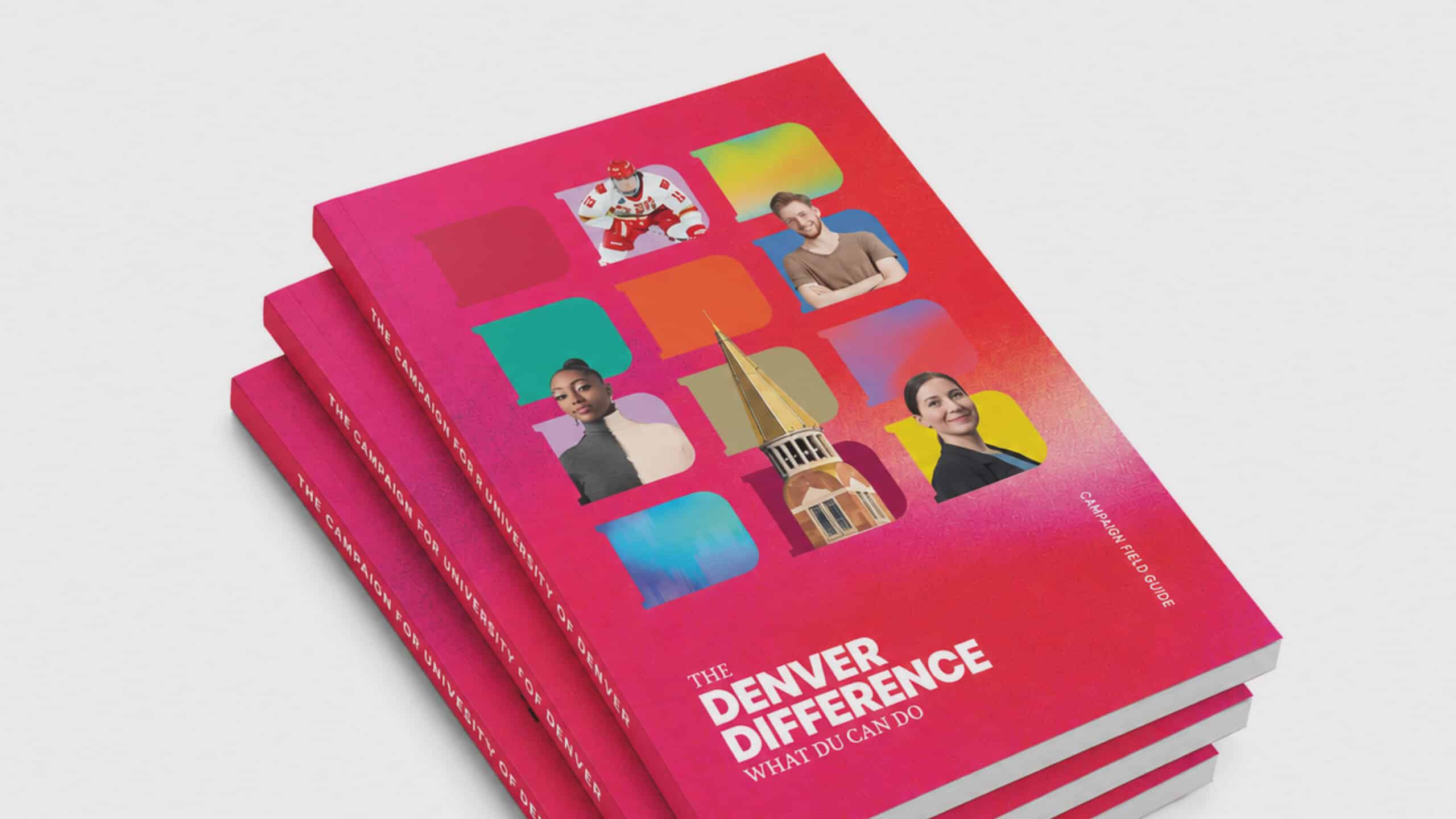
We may not be handing printed cases to Gen Z in search of a transformational gift today. But the logic of their preference rings true across generations.
That “N of 1” Feeling
The industry is starting to talk a lot about the decline in everyday giving and how challenging it is to give every single donor a truly personalized experience. The coveted “N of 1” model. I’ve been thinking about this a lot.
And maybe the printed case is part of the answer.
It offers someone an individualized experience through a tactile, well-crafted, and strategically sound object that not only conveys the message but also helps them truly immerse themselves in it.
Maybe we’re asking the wrong question altogether. It’s actually not about print vs. digital at all. It’s about finding ways to thoughtfully integrate the two. A study conducted by Canada Post shows that when organizations thoughtfully integrate physical and digital touchpoints, they see up to a 40% spike in brand recall.
The organizations that will win the pot of gold at the end of the rainbow understand the value of both.
The Power of the Physical
It makes sense when you think about it. When you’re asking for a transformational gift, when you’re inspiring someone to give, the experience of the ask matters.
Doesn’t giving them something to hold and interact with, something that physically speaks to what’s at stake and what the opportunity is, change the nature of the conversation? Can that message be transmitted digitally? Sure. But there is no substitute for a well-crafted statement you can hold in your hands.
And, in my opinion, it’s much easier to inspire a major donor to share, say, a bespoke children’s book or a conservation journal with a friend and potential future donor than it is to get them to share a website URL.
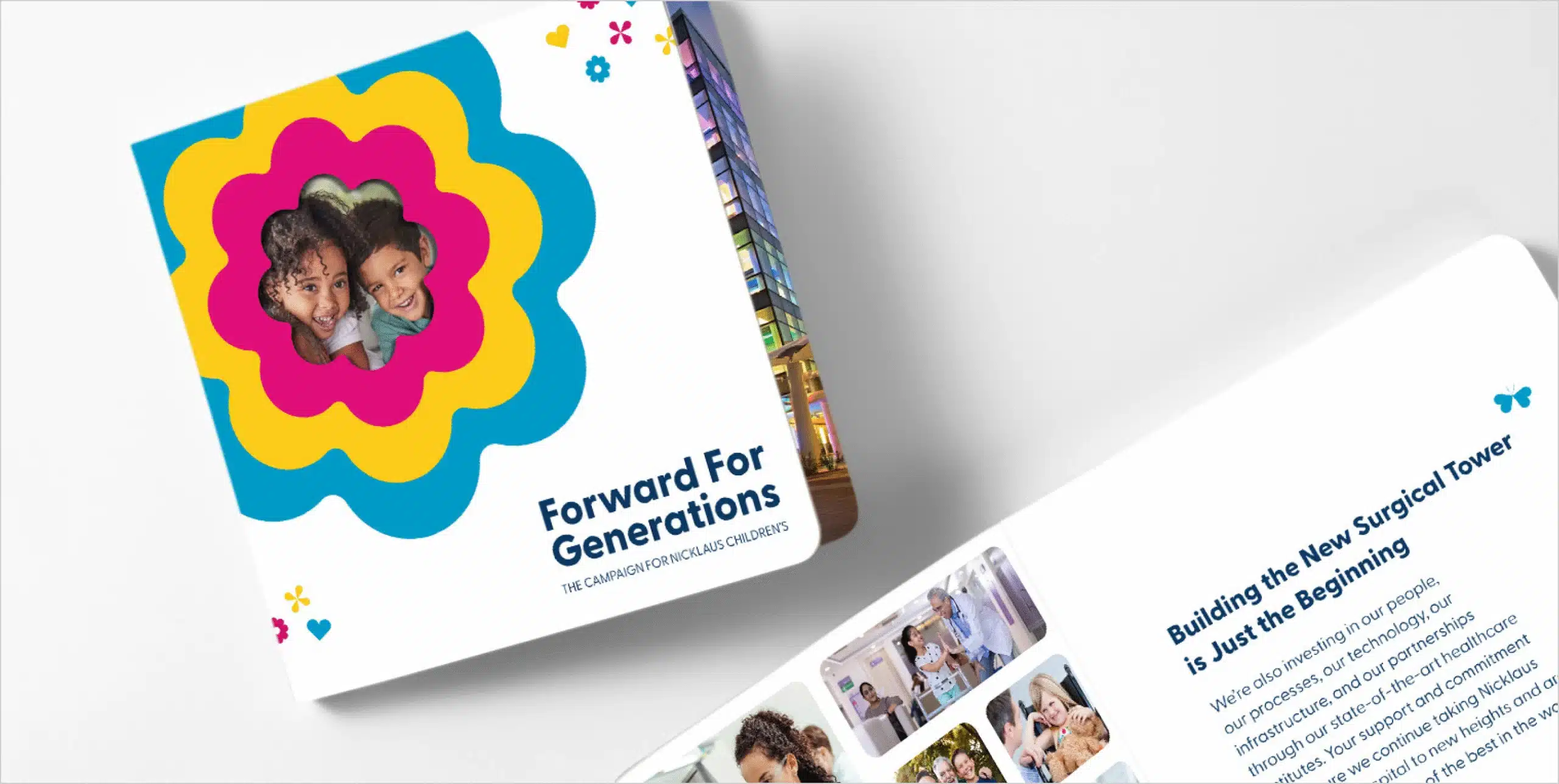
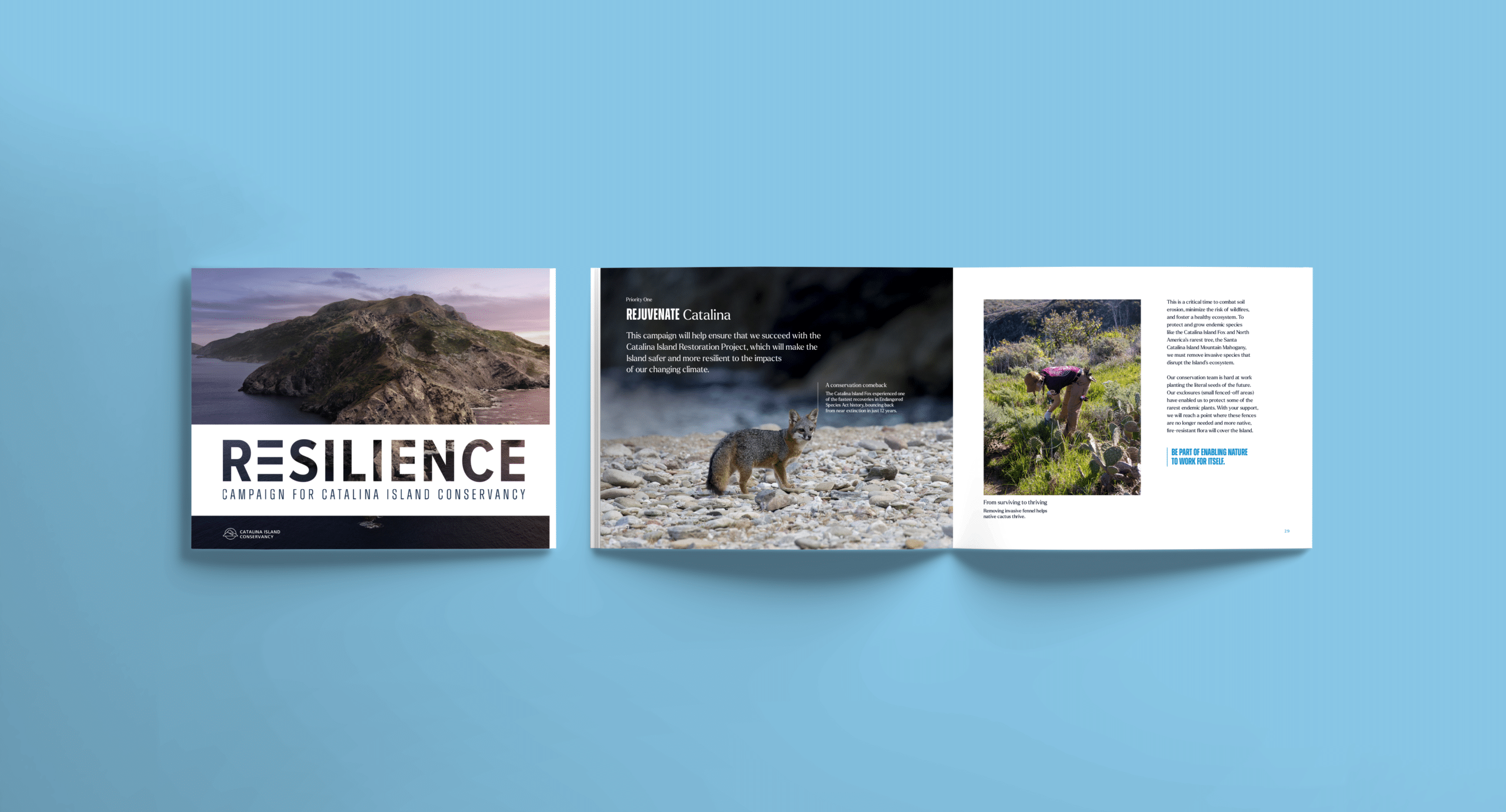
If that printed case includes a seamless way for them to connect to a digital component that delves deeper into specifics? Well, that’s a win all around.
A study by the Temple University Center for Neural Decision Making found that physical media activates an area of the brain tied to value and desire. Another study by True Impact shows that physical media requires 21% less cognitive effort to process than digital alternatives.
Print actually anchors the story in the human brain.
The highest-performing organizations know that a beautifully produced, tactile case for support isn’t a relic—it’s a differentiator.
Digital is mandatory. But print is memorable.